Thirty years of finding where coverage fails.
Outbound Risk Advisory places Defense Base Act and international coverage for contractors and organizations deploying personnel overseas.
The gap is almost always structural.
Organizations deploying people overseas rarely fail because they bought no insurance. They fail because the coverage they bought was written for a different set of circumstances than the ones their people are actually operating in.
A policy that excludes the destination country. An evacuation trigger narrower than anyone realized. A life policy with a war exclusion. A workers' compensation program that does not satisfy a federal requirement. These are structural problems, and they are visible before deployment if someone looks for them.
Outbound Risk Advisory exists to do that looking.
Philip T. Edwards
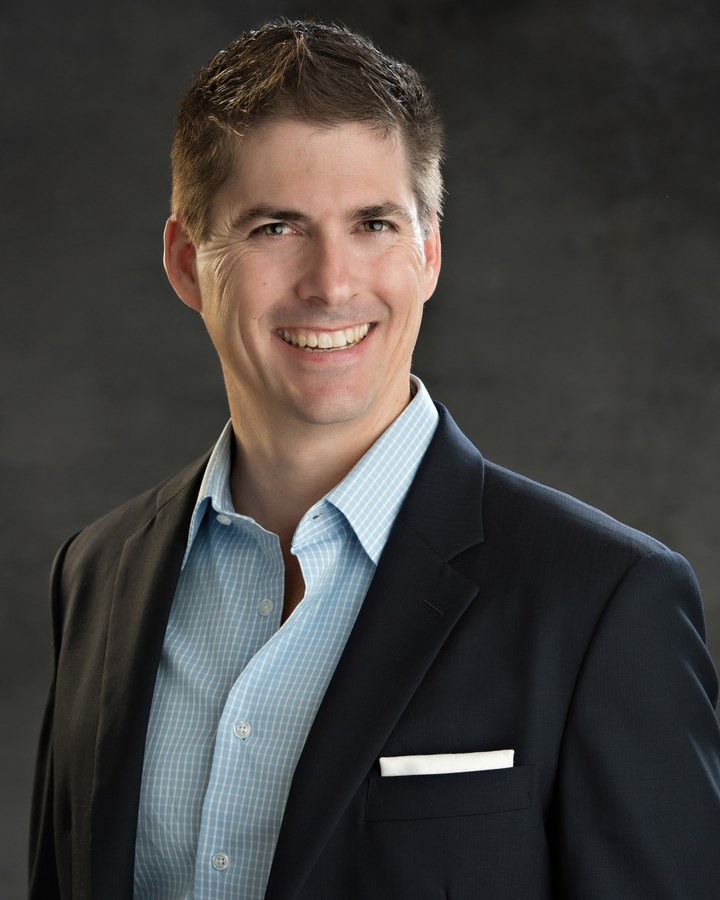
Philip T. Edwards holds a degree in Insurance and Risk Management from the University of Mississippi. He opened his first independent agency shortly after graduating and built the practice to six agencies over the following three decades.
Thirty years of agency ownership produces a particular kind of expertise. It is not familiarity with brochures. It is pattern recognition about where coverage fails — in the gap between what a client believed they purchased and what the policy language actually delivers when a claim arrives.
He has also been on the buying side of this market. Traveling and working internationally, he purchased kidnap and ransom and international travel health coverage for himself — and found, as most buyers do, that the coverage is harder to evaluate than it should be and that the important questions are rarely the ones on the quote sheet.
Outbound Risk Advisory was built to apply structural discipline to the least forgiving category of exposure: people working outside stable jurisdictions, where a coverage gap is an operational crisis rather than an inconvenience.
Advisory first. Placement second.
We evaluate what your people are actually doing overseas, identify where existing coverage would fail under stress, and structure protection around the operational reality.
Placement is coordinated through specialty brokers and carriers whose practices are dedicated to international special risk — Defense Base Act, kidnap and ransom, war-risk life and medical, political evacuation.
This division of labor is deliberate. Structural analysis and specialty placement are different disciplines. Clients get both, each from people who do it full-time, rather than one generalist attempting both.
A small firm, deliberately.
You deal with the principal
No call center, no account rotation, no handoff to a junior after the sale. The person who reviews your exposure is the person who answers the phone.
Questions before quotes
We establish what your people are doing and where before discussing products. A quote produced without that context is a guess with a number attached.
Plain answers on limits
If something falls outside what we can place well, we say so and point you toward who can. That is worth more than a stretched recommendation.
Confidential by default
Deployment details, personnel counts, and operating locations are sensitive. Inquiries stay with the firm and are not shared or used for marketing.
Talk to us directly.
Three ways to reach the principal. No call centers, no gatekeepers.